I have seen more arguments about chicken bedding than I have about politics.
When you are new to raising chickens, it is confusing. The old-timers swear by straw because “that’s how we always did it.” The modern books tell you to use pine shavings because it’s cleaner.
You just want your birds to survive January without freezing.
So, when it comes to straw vs pine shavings, which one is actually better for a winter coop?
I have used both. I have made the mistakes so you don’t have to. I have dealt with the moldy straw disasters and the dusty pine messes.
Here is the honest truth about which bedding keeps your coop dry and your flock healthy.
The Big Debate: Straw vs Pine Shavings
First, let’s look at why people fight about this. Both options have pros and cons, but they work very differently inside the coop.
1. Straw (The Old School Choice)
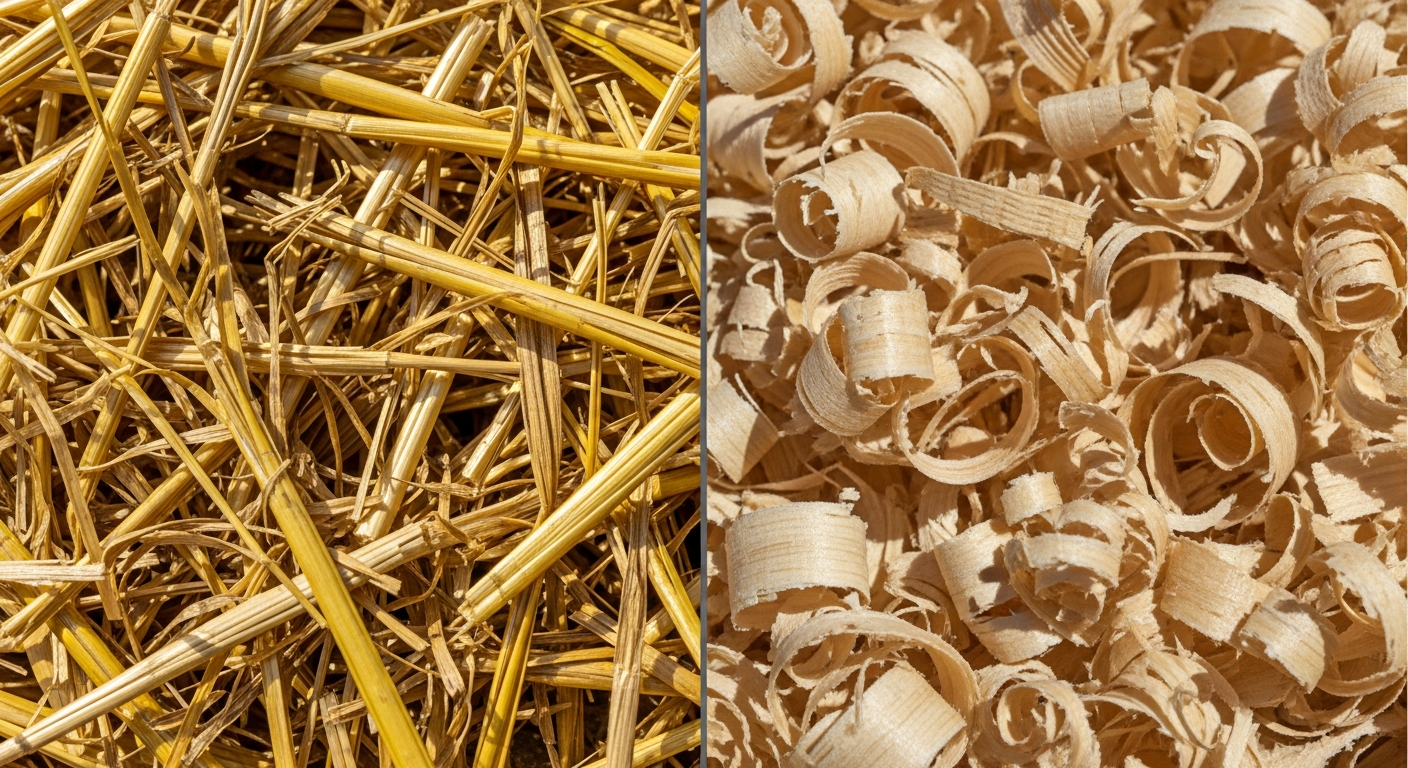
Straw is the hollow stalk of grain (usually wheat). It is cheap, easy to find, and it looks great in pictures.
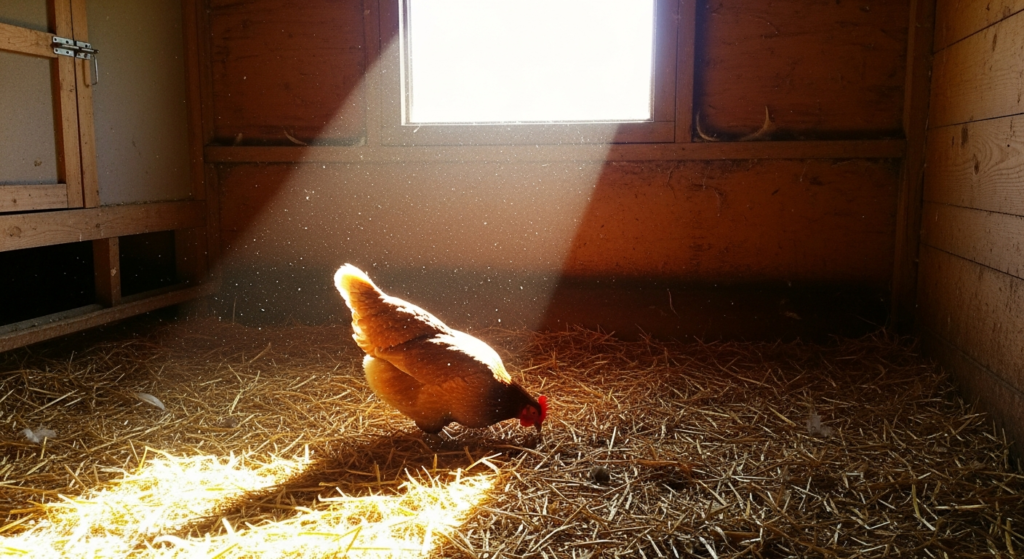
The Bad: It does not absorb water well. It tends to let moisture sit on top or seep to the bottom.
The Good: It is a great insulator. Because the stalks are hollow, they trap warm air. This makes it a cozy “blanket” for the floor.
2. Pine Shavings (The Modern Choice)
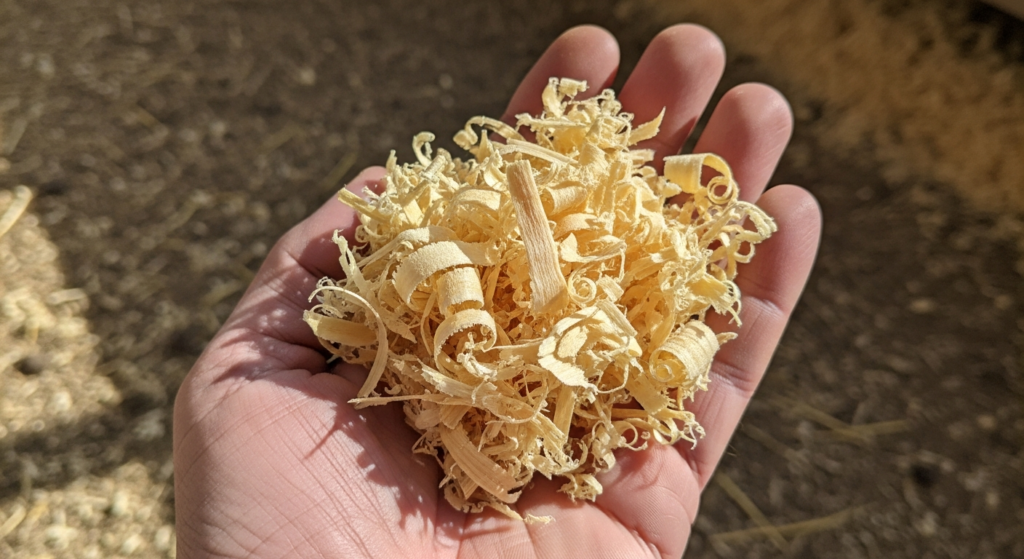
This is what I use 90% of the time. specifically, I use “Kiln-Dried Large Flake” shavings.
The Bad: It can be dusty, which isn’t great if you have a poorly ventilated coop.
The Good: It acts like a sponge. It sucks up moisture and poop immediately.
Straw vs Pine Shavings Verdict: Which is Better?
If you are a beginner, Pine Shavings are the safer choice.
Here is why: Moisture is the enemy.
In winter, the cold won’t kill your chickens, but dampness will. If the humidity in your coop gets too high, your chickens will get frostbite on their combs. Even worse, wet bedding creates ammonia fumes.
According to Penn State Extension, keeping litter dry is the single most important factor in preventing ammonia buildup, which causes serious respiratory damage in poultry.
Pine shavings absorb that moisture. Straw tends to trap it, creating a wet, moldy layer at the bottom if you aren’t careful.
My Personal Setup
I don’t like to complicate things. I use a “Hybrid Method.”
- Coop Floor: I use a deep layer (6 inches) of Pine Shavings. It keeps the smell down and the floor dry.
- Nesting Boxes: I use Straw. The hens like to arrange it into a bowl shape for their eggs, and it keeps the eggs cleaner than shavings do.
This gives me the best of both worlds.
- Related Guide: Now that your bedding is sorted, make sure you check my guide on [7 Easy Ways to Keep Chicken Water From Freezing Without Electricity ].
Final Thoughts
When choosing between straw vs pine shavings, just remember: A dry coop is a warm coop.
If you are confident you can keep the straw dry, go for it. But if you want a low-maintenance solution that prevents frostbite, stick with pine.